Understanding What Makes an Arabic Restaurant Family‑Friendly in Spain: Key Criteria and Benefits
When families scout a place for a weekend dinner, the decision often hinges on more than just the menu. A restaurant that genuinely welcomes children must balance culinary authenticity with practical considerations that make the whole outing smooth and enjoyable. In Spain, Arabic eateries that succeed in this arena share a handful of measurable traits, each of which brings tangible benefits for parents, kids, and even the establishment itself.
1. Space and Seating Layout A spacious floor plan that includes high chairs, booster seats, and kid‑size tables signals that children are an after‑thought rather than an after‑care. Flexible seating arrangements—such as a mix of booths and free‑standing chairs—allow larger groups to sit together without feeling cramped. The benefit is twofold: parents experience less stress while waiting for a spot, and children are more comfortable, which often translates into quicker, quieter meals.
2. Menu Adaptability Arabic cuisine is celebrated for its fragrant spices, grilled meats, and shared mezze plates. Family‑friendly venues interpret these flavors in ways that appeal to younger palates without compromising authenticity. Look for menus that list milder versions of traditional dishes, offer plain rice or couscous sides, and include clear allergen icons. When restaurants provide a children’s menu or a “build‑your‑own” platter, they empower families to customize portions, reducing waste and ensuring that each diner gets exactly what they want.
3. Kid‑Centric Service Service staff who are trained to engage children—whether by explaining a dish in simple terms or offering a small welcome treat—create a welcoming atmosphere. Prompt attention to high‑chair requests, quick water refills, and a willingness to accommodate special dietary needs demonstrate respect for family time. The practical outcome is smoother table turnover, higher satisfaction scores, and repeat visits from families who appreciate the attentive approach.
4. Entertainment and Distraction Options A modest selection of coloring sheets, crayons, or a low‑volume music corner can keep children occupied while parents relax. Some restaurants provide discreet tablet holders or kid‑friendly tablets pre‑loaded with educational games that reflect Arabic culture, such as simple language puzzles or puzzle maps of historic cities. These low‑cost additions help to prevent restlessness and allow diners of all ages to focus on their meals.
5. Safety and Cleanliness Standards Parents prioritize environments where safety hazards are minimized. Non‑slip flooring, rounded table edges, and clear pathways for strollers are essential features. In addition, visible cleaning routines—such as staff wiping tables between seats—reinforce confidence that the space is hygienic. When families perceive a venue as safe, they are more likely to linger, order dessert, and recommend the spot to friends.
6. Pricing Transparency Clear, upfront pricing with no hidden charges eases parental budgeting. Family‑friendly Arabic restaurants often bundle a children’s portion with a small dessert or beverage, presenting a complete value proposition. Transparent pricing reduces the need for lengthy bill explanations and supports a stress‑free checkout experience.
7. Cultural Accessibility Finally, an approachable introduction to Arabic culture enriches the dining experience. Simple explanations on menu cards about common ingredients—like tahini, harissa, or sumac—help parents explain new flavors to children. Occasionally, staff may offer brief anecdotes about a dish’s origin, turning the meal into an informal learning moment. This cultural bridge not only educates but also builds a memorable narrative that families recall fondly.
Collectively, these criteria create a virtuous cycle: a welcoming environment encourages families to visit more often, leading to steady revenue for the restaurant and a growing reputation as a go‑to spot for weekend dining. By focusing on space, menu flexibility, attentive service, kid‑focused entertainment, safety, clear pricing, and cultural storytelling, Arabic restaurants in Spain can transform a simple dinner into a comfortable, enriching family outing.
The next section will explore why the vibrant flavors of Arabic cuisine resonate with both children and adults across Spain, setting the stage for the detailed restaurant profiles that follow.
Exploring Spain’s Culinary Landscape: Why Arabic Flavors Appeal to Kids and Parents Alike
The previous discussion highlighted the practical criteria that make an Arabic restaurant family‑friendly in Spain spacious seating, kid‑focused menus, and a welcoming atmosphere. Building on that foundation, it is worth examining why the very flavors and cooking traditions of the Arab world resonate so strongly with both children and their parents when they step into the Spanish dining scene.
A Familiar Sweetness Meets a New Spice Palette
For many Spanish families, the first point of connection is the subtle, sweet note that Arabic desserts share with familiar local treats. Ingredients such as honey, dates, and orange blossom water echo the flavors of traditional Spanish pastries like turrón or mazapán. When a child bites into a warm baklava drizzle of honey, the taste is instantly comforting, yet it introduces a delicate crunch of pistachio or almond that feels novel. Parents, meanwhile, appreciate the natural sweetness that requires little added sugar, aligning with growing health‑conscious trends.
Aroma‑Driven Appeal: From Saffron to Cumin
The aromatic profile of Arabic cuisine offers an adventure without overwhelming the palate. Warm spices cumin, coriander, and a hint of cinnamon are used in moderation, creating layers of flavor that develop gradually. In practice, a simple chickpea stew seasoned with cumin and a whisper of smoked paprika can excite a child’s curiosity while remaining familiar enough for a parent to recognize the comforting earthiness of Spanish pimentón. This balance of novelty and familiarity encourages repeat visits, as families discover new dishes without feeling forced into unfamiliar territory.
Interactive Dishes Encourage Playful Learning
Many Arabic dishes are naturally shareable and interactive, turning a meal into a participatory experience. Think of mezze platters where small bowls of hummus, labneh, and roasted red pepper dip invite children to dip vegetables or pita pieces. The act of assembling their own bite mirrors the popular Spanish tradition of tapas, fostering a sense of autonomy. Parents find these communal plates convenient for managing portion sizes, while kids enjoy the tactile element of spreading and scooping.
Nutrient‑Rich Ingredients Align With Family Health Goals
Parents often look for meals that deliver balanced nutrition without sacrificing flavor. Arabic cuisine excels at blending lean proteins, legumes, and fresh vegetables. A lamb kofta skewer, for example, pairs lean meat with herbs like mint and parsley, delivering iron and protein in a format that children can easily handle. Likewise, lentil‑based soups provide fiber and plant‑based protein, echoing Spain’s own legume traditions. The presence of heart‑healthy olive oil further reinforces the Mediterranean diet’s reputation for longevity, a point that resonates with health‑aware parents.
Visual Appeal Sparks Curiosity
Colorful presentations play a crucial role in attracting younger diners. Bright reds from roasted peppers, vivid greens from fresh cilantro, and the golden hue of saffron‑infused rice create a visually stimulating plate. When a child sees a chocolate‑covered orange slice beside a bowl of creamy harira soup, the contrast invites conversation about flavors and cultures. This visual storytelling aids parents in introducing cultural diversity in a way that feels accessible and fun.
Cultural Familiarity Makes the Transition Smooth
Spain’s historical ties to the Arab world most notably the legacy of Al‑Ándalus have left enduring culinary imprints. The shared use of ingredients like almonds, citrus, and rice means that many Arabic dishes feel like a natural extension of Spanish home cooking. When families encounter a paella‑style arroz con pollo seasoned with a pinch of za’atar, they recognize the familiar rice base while enjoying a new aromatic twist. This cultural bridge reduces resistance to trying unfamiliar cuisine, making the dining experience feel less like a foreign venture and more like an exploration of a shared heritage.
“The familiarity of staple ingredients paired with subtle new spices creates a comfortable yet exciting culinary adventure for both children and adults.” – A culinary observer familiar with Iberian‑Arabic food interactions
Practical Takeaways for Families
- Start with familiar textures: Choose dishes that resemble known foods (e.g., rice, bread, grilled meats) but introduce a new spice or dip.
- Leverage shared plates: Mezze and tapas‑style servings let children pick and choose, fostering a sense of control.
- Highlight sweet, fruit‑based desserts: Items like date‑filled pastries or orange‑scented cakes bridge the gap between novelty and comfort.
- Emphasize visual variety: Vibrant colors on the plate keep children engaged and encourage conversation about flavors.
By understanding how Arabic flavors naturally complement Spanish tastes, families can approach these restaurants with confidence. The next section will translate this insight into concrete recommendations, profiling the top five family‑friendly Arabic eateries where parents and kids can enjoy the culinary fusion described here.
The Top 5 Family‑Friendly Arabic Restaurants: Detailed Profiles, Menus, and Atmosphere
When the discussion turned to why Spanish diners gravitate toward Arabic aromas, the natural next step is to see those flavors in action. The following five eateries have earned a reputation not only for authentic mezze and grilled specialties but also for welcoming children, accommodating dietary needs, and providing an ambience that keeps the whole family relaxed.
1. Khalijia Restaurante – Barcelona
Khalijia Restaurante occupies a bright corner of the Gothic Quarter, where mosaic tiles and soft lantern light create a cozy, almost story-book setting.
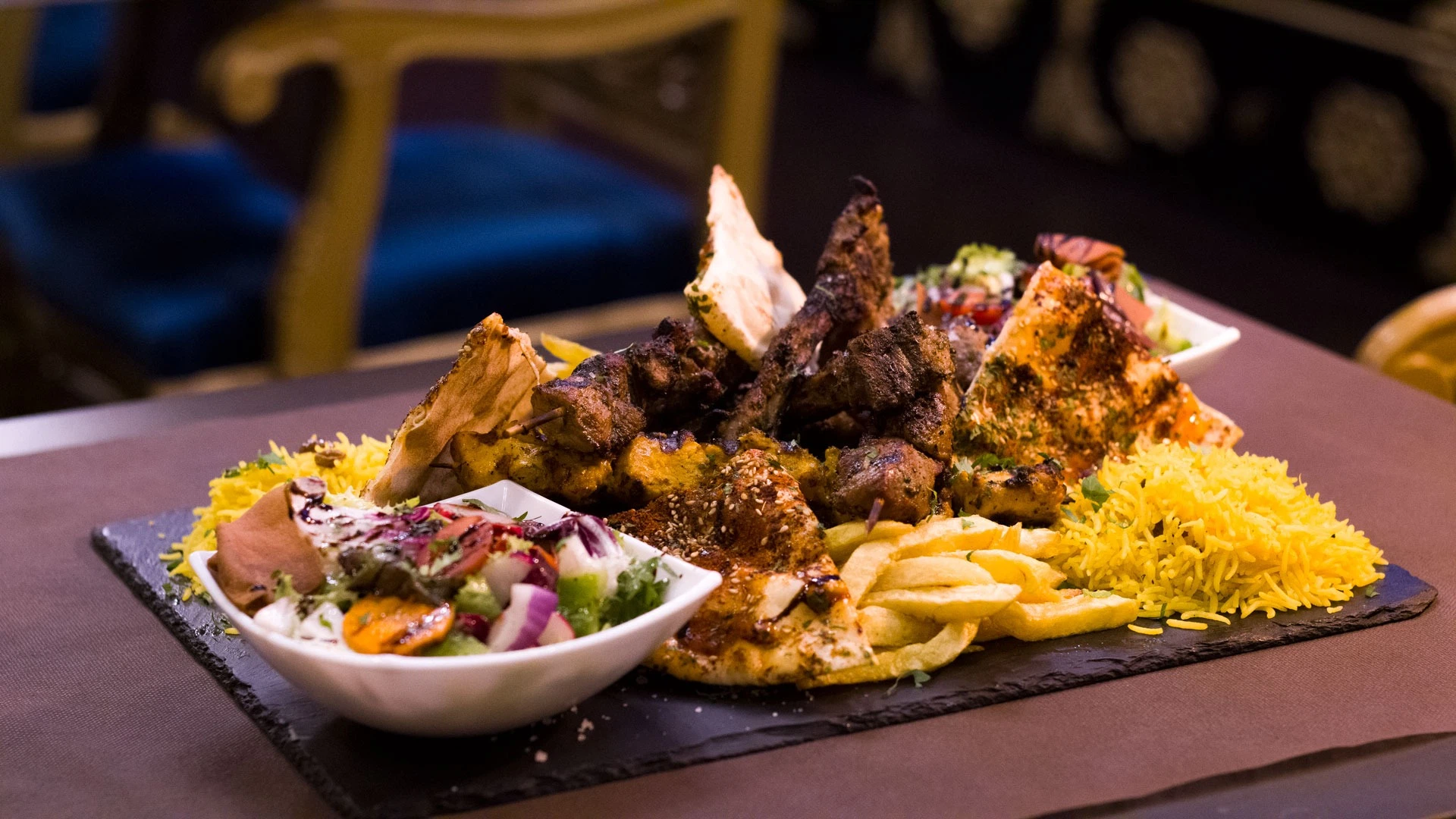
Menu highlights – A kid-friendly “Mini Mezze Platter” bundles hummus, baba ganoush, and warm pita in bite-size portions. For adults, the signature lamb tagine with apricot glaze remains a crowd-pleaser.
Family amenities – High-chairs, a small play nook stocked with puzzle books, and a children’s menu that labels mild versus spicy options.
Atmosphere – Live oud performances are scheduled for early evenings; the volume is kept low enough that conversation flows easily.
By pairing a relaxed décor with clearly marked dishes, khalijiarestaurante turns a potentially unfamiliar cuisine into an inviting family outing.
2. Sahara Family Kitchen – Madrid
Set amid a leafy park in Chamartín, Sahara Family Kitchen greets guests with fragrant incense that soon gives way to fresh citrus from the open kitchen.
- Menu highlights – The “Sahara Kids Combo” offers chicken kofta, flavored rice, and a fruit yogurt dip. Adults can explore the seafood paella‑style “Medina” that blends saffron, shrimp, and calamari.
- Family amenities – A stroller‑friendly entrance, child‑safety cutlery, and a small indoor sandbox for toddlers. The staff are fluent in basic English, making ordering straightforward for tourists.
- Atmosphere – Warm, earthen tones and occasional short storytelling sessions about Arabic folklore keep younger diners engaged without overwhelming noise.
The park location also allows a quick post‑meal walk, giving kids space to burn off energy before the drive home.
3. Marrakech Delight – Valencia
Located near the Turia Gardens, Marrakech Delight blends modern design with traditional lanterns, delivering a bright yet intimate space.
- Menu highlights – A “Family Feast” platter serves a selection of grilled halloumi, spiced chicken thighs, and couscous—perfect for sharing. The children’s menu includes a mild “Falafel Slider” and carrot‑mint juice.
- Family amenities – Color‑coded napkins for easy identification, a dedicated kids’ corner featuring Arabic coloring books, and a wheelchair‑accessible restroom.
- Atmosphere – Soft Arabic jazz plays in the background, while the open kitchen view lets families watch chefs shape dough and grill kebabs, turning the meal into a mini‑cooking lesson.
Marrakech Delight’s emphasis on shared plates encourages conversation and teaches youngsters about communal dining traditions.
4. Levant Lounge – Seville
Tucked within the historic Barrio Santa Cruz, Levant Lounge offers a courtyard garden filled with fragrant jasmine and low‑level lanterns that create a relaxed evening vibe.
- Menu highlights – The “Little Levant” set pairs mini chicken shawarma rolls with sweet date paste, while the adult menu showcases a slow‑cooked beef “Mandi” served over aromatic rice.
- Family amenities – A compact play area with wooden blocks, an outdoor seating option for weather‑permitting days, and a menu that clearly marks gluten‑free choices.
- Atmosphere – The space balances authenticity with comfort; walls display subtle Arabic calligraphy, and servers periodically check on children’s water glasses, ensuring no one feels overlooked.
Levant Lounge’s garden setting makes it a pleasant spot for families who enjoy a breezy dining experience after a day of sightseeing.
5. Bedouin Bistro – Bilbao
In the heart of Bilbao’s Casco Viejo, Bedouin Bistro combines industrial chic with warm textiles, resulting in a lively yet family‑centric venue.
- Menu highlights – The “Bedouin Kids Tray” features mini kebabs, sweet potato fries, and a pomegranate‑yogurt dip. For grown‑ups, the “Sahara Smoked Eggplant” and lamb “Shish Tawook” receive rave reviews.
- Family amenities – An interactive “Create‑Your‑Own‑Wrap” station lets children assemble their own pita fillings, fostering a sense of participation. The restaurant also offers a quiet corner for nursing mothers.
- Atmosphere – Occasional drumming workshops invite families to try simple rhythms, adding a playful cultural touch without disrupting the dining flow.
Bedouin Bistro’s hands‑on approach turns the meal into an experience, making it especially appealing for curious kids.
These five locations illustrate how Arabic restaurants across Spain can blend authentic flavors with thoughtful design, menu flexibility, and child‑centric services. The next section will build on these examples, offering practical tips for selecting the ideal spot that matches a family’s specific needs—whether it’s proximity to transport, reservation timing, or special dietary considerations.
How to Choose the Perfect Spot for Your Family’s Needs: Practical Tips and Booking Strategies
When families move from the restaurant profiles to planning their night out, the real challenge is turning a good list into a great experience. The right spot balances ambience, menu flexibility, and logistics, while a thoughtful booking approach guarantees a smooth evening. Below are practical considerations that help parents narrow down options and secure a table that works for everyone.
1. Match the atmosphere to the family’s rhythm Kids thrive in environments that feel welcoming without being noisy. Look for restaurants that offer a dedicated family zone or adjustable lighting. A modestly lively dining room may excite older children, whereas a quieter corner is better for toddlers who need a predictable setting. If a venue provides a kids’ play corner, it can keep little hands busy while adults sample mezze and grilled specialties.
2. Check menu adaptability Arabic cuisine is renowned for its bold flavors, but families often need milder options or dishes that accommodate dietary restrictions. Prioritize restaurants that list child‑friendly items—such as plain grilled chicken, falafel bites, or rice pilaf—alongside the full menu. When menus are available online, scan for symbols that indicate gluten‑free, dairy‑free, or vegetarian choices. Restaurants that readily customize spice levels show a willingness to tailor the experience, which is a strong indicator of family‑friendly service.
3. Consider location and transportation A restaurant’s address can make or break a weekend dinner plan. Choose a spot that is easily reachable by public transport or within a short driving distance from your accommodation. Proximity to parks or playgrounds offers a convenient pre‑ or post‑meal activity, adding value without extra travel. If you’re staying in a hotel, look for venues that provide a shuttle service or are within a comfortable walking radius.
4. Review seating arrangements and reservation policies Family groups often need a larger table or a booth that can accommodate a stroller. Before booking, call the restaurant to confirm that they can set up a “family table” and ask about any extra charges for high chairs. Some places allow you to pre‑order a children’s menu, which can speed up service and reduce waiting time.
5. Timing is key Weekend dinner rushes differ across Spain’s regions. In popular tourist areas, it is common for restaurants to fill up quickly after 8 pm. Aim for a reservation at 7:30 pm if you prefer a quieter start, or book a later slot if you enjoy a livelier atmosphere. Early bookings also increase the chance of securing a preferred table near a window or in a quieter corner.
6. Leverage online booking tools Many Arabic restaurants now integrate reservation platforms such as TheFork, OpenTable, or their own web‑based systems. Using these tools lets you see real‑time availability, read recent guest comments, and sometimes earn loyalty points. When a site permits “special requests,” add a note about a high chair, a child’s menu, or a need for a quieter spot.
7. Read recent reviews with a critical eye User reviews often highlight the nuances that matter to families—how long the wait was, whether the staff were patient with young diners, and if the food arrived promptly. Look for patterns rather than isolated comments. A string of recent posts praising quick service and a friendly atmosphere signals consistency, while mixed feedback about noise levels may suggest you need to ask the restaurant directly about their acoustic setup.
8. Prepare a backup plan Even the best‑planned reservation can encounter hiccups. Keep a short list of alternative family‑friendly Arabic eateries within the same neighborhood. If your first choice is unexpectedly full, you can pivot without losing the evening’s momentum.
Expert tip: When calling to confirm a reservation, ask the host to note that you will be dining with children. This simple step often prompts staff to prioritize a suitable table and to brief the kitchen about any mild‑spice requests.
By aligning ambience, menu flexibility, location, and booking tactics, families can transform a simple dinner into a memorable culinary adventure. The next step—creating a kid‑centric dining experience—will build on this foundation, ensuring that the entire night feels both enjoyable and stress‑free.
Creating a Kid‑Centric Dining Experience: Activities, Dietary Options, and Comfort Hacks
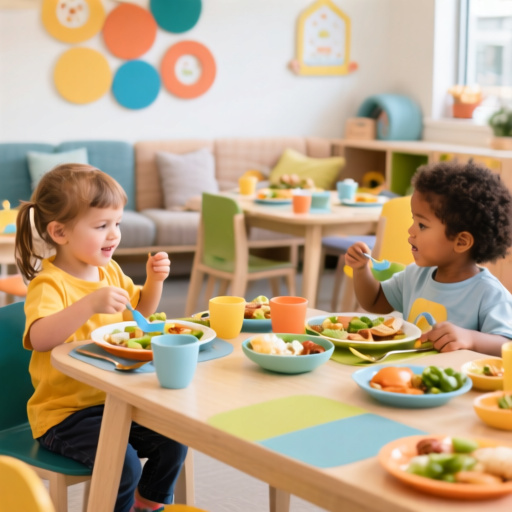
A family‑focused night out can feel daunting when the menu leans heavily toward aromatic spices and the décor is designed for adults. Restaurants that succeed at turning a traditional Arabic eatery into a kid‑friendly destination do three things well: they weave play into the dining space, they tailor food choices without compromising authenticity, and they smooth out the small‑but‑important details that keep children comfortable.
What families look for in a restaurant is simple: a place where kids can be kids while parents enjoy the flavors. The first step is to embed low‑maintenance activities that match the restaurant’s cultural theme. For example, many Spanish Arabic venues provide mini‑hummus‑painting stations, where children dip pita triangles into colorful bowls of hummus and create “edible art.” The activity is tidy, encourages tasting, and doubles as a conversation starter about the origins of the dip.
Another popular approach is storytelling corners. A quiet nook stocked with illustrated books about camel caravans, Berber folklore, or the spice routes invites parents to read aloud while the meal cooks. Some establishments even schedule short, live storytelling sessions during slower service periods. Because the stories are brief—often under ten minutes—they fit neatly between courses and keep the atmosphere lively without disrupting other diners.
When it comes to the menu, the key is offering recognizable flavors alongside optional milder preparations. A classic chicken shawarma can be served with a “kid‑friendly” label, indicating reduced chili and a slightly sweeter glaze. Likewise, lamb kebabs may be presented with a side of yogurt‑mint sauce that balances the richness of the meat. Restaurants that list these options clearly on the menu—using icons or separate sections—help parents make quick decisions, reducing the back‑and‑forth that can frustrate young guests.
A useful practice is to provide “build‑your‑own” plates. Children choose a base—such as fluffy couscous or soft pita—then add toppings like roasted vegetables, sliced olives, or a dollop of tahini. This interactive format gives kids a sense of control over their meal, encourages exploration of new ingredients, and often reduces the likelihood of food waste.
Beyond the plate, families appreciate thoughtful comfort hacks that anticipate common challenges. Here are several that have proven effective in Spanish Arabic restaurants:
- High‑chair flexibility: Offer both traditional high chairs and booster seats that attach to adults’ chairs. Adjustable height and a sturdy safety belt prevent spills.
- Quiet corners: Designate a small, softly lit area away from the kitchen’s bustle where a stroller can be parked and a child can nap without being disturbed.
- Temperature‑controlled drinks: Serve water or milk in insulated cups that stay lukewarm for at least 30 minutes, avoiding the need for frequent refills.
- Reusable utensils: Provide kid‑sized forks and spoons made of silicone or bamboo, which are lighter and less intimidating than metal cutlery.
- Menu glossaries: Include a brief explanation of unfamiliar terms (e.g., “tabbouleh – a parsley salad”) at the bottom of the menu, turning curiosity into a mini‑learning moment.
Restaurants that combine these elements create a seamless experience where children feel engaged and parents can relax. The result is a dining outing that feels less like a negotiation and more like a shared adventure.
Having set the stage for a kid‑centric ambiance, the next logical step is to consider when to visit. Timing, transportation, and value maximization are explored in the following section, ensuring that families can enjoy the full benefits of the restaurant without logistical hiccups.
Optimizing Your Visit: Timing, Transportation, and Maximizing Value at Each Restaurant
When families plan a weekend dinner at one of Spain’s top Arabic eateries, a few logistical choices can turn a good outing into a seamless, memorable experience. Below, practical tactics are laid out for picking the right time slot, navigating local transport, and squeezing the most out of each menu without sacrificing comfort or budget.
When to go
- Early‑evening window (5 – 7 pm). Most Spanish families dine around this hour, and the restaurants are still fresh from lunch service. Kids are usually not yet restless, and the kitchen can prepare popular dishes without the rush that peaks after 8 pm.
- Mid‑week “family night.” Some venues—especially the larger city locations—run special promotions on Tuesdays or Wednesdays. These nights often include discounted mezze platters or complimentary kids’ desserts, giving parents a cost‑effective way to sample a wider range of flavors.
- Avoid peak tourist rushes. In coastal cities such as Barcelona or Malaga, the influx of tourists spikes after 9 pm on Saturdays. Arriving earlier reduces waiting time and allows the staff to attend to children’s needs more attentively.
A quick check of each restaurant’s online reservation platform will reveal whether a particular day offers a “kids eat free” deal or a family‑friendly set menu. Booking 48 hours in advance is enough to lock in a desirable slot while still leaving room for spontaneous changes.
Getting there with ease
Most of the recommended Arabic spots sit near public‑transport hubs, making bus or metro travel a convenient alternative to driving. Here are three common approaches:
- Metro + short walk – In Madrid, the restaurant in the Retiro district is two stops from the nearest metro line, then a five‑minute stroll through a pedestrian‑friendly plaza. This route eliminates parking stress and keeps the family together in a familiar environment.
- Family‑friendly bus routes – Barcelona’s seaside location is served by a dedicated “Línea Verde” bus that offers priority seating for families and a lower fare for children under twelve. The bus passes most of the city’s main attractions, allowing a quick cultural detour before dinner.
- Ride‑share with car seat options – For suburban families who prefer a door‑to‑door experience, several ride‑share services now provide vehicles equipped with infant car seats. Booking through the app’s “family” filter ensures a safe ride without the need to bring a personal stroller onto crowded metros.
If driving is unavoidable, it helps to pre‑research nearby public parking garages that offer discounted evening rates. Many city centers provide “resident‑only” sections that become free after 7 pm, a useful loophole for weekend diners.
Stretching the menu value
Arabic cuisine naturally lends itself to sharing, but families can still enhance value with a few targeted strategies:
- Order shared mezze platters. A typical mezze board includes hummus, baba ganoush, tabbouleh, and soft flatbread—enough to satisfy four adults and two children. Because the portions are meant for communal eating, the per‑person cost drops dramatically compared to ordering individual plates.
- Combine a main with a “kids’ tasting.” Several restaurants now list a “Mini Shawarma” or “Little Falafel” option, designed for younger palates. Pairing one of these with a full adult entrée often qualifies for a reduced total price, especially when the establishment runs a “family combo” promotion.
- Leverage complimentary extras. A frequent perk is a free cup of mint tea or a small plate of dates at the end of the meal. These items not only add a cultural touch but also replace the need for an after‑dessert purchase, trimming the final bill.
Pro tip: Ask the server whether the restaurant can customize a “family tasting menu” that bundles mezze, one main, and a child‑friendly dish. Chefs are usually happy to accommodate, and the packaged price often beats ordering each component separately.
Putting it all together
Start by checking the restaurant’s website for any weekday family offers, then secure a reservation during the early‑evening window. Choose a transport method that aligns with the family’s comfort level—metro for city‑center locations, a dedicated bus line for coastal spots, or a ride‑share equipped with car seats for suburban trips. Finally, let the menu guide you toward shared plates and kid‑specific options, asking staff about bundled deals to stretch the dining budget.
With timing, travel, and menu tactics aligned, families can focus on the real reward: savoring aromatic spices, vibrant colors, and the sheer delight of discovering Arabic flavors together. The next section will explore how to extend that culinary enjoyment beyond the plate, connecting meals to cultural activities and souvenir finds.
Beyond the Meal: Extending the Arabic Experience with Cultural Activities and Souvenir Picks
After a satisfying dinner, families can keep the excitement alive by turning the restaurant visit into a mini cultural adventure. Many of the highlighted eateries have already woven storytelling and décor into the dining room; a few extra steps unlock a richer, more memorable outing.
Interactive workshops are a natural next step. Several venues offer short, kid‑friendly sessions where children can learn to roll Arabic flatbread, mix simple spice blends, or try their hand at calligraphy using Arabic script. These hands‑on experiences reinforce the flavors they just tasted, and they give parents a talking point that goes beyond “the food was good.” For example, a restaurant in Barcelona partners with a local cultural center to run a 20‑minute “Mini‑Marrakech” workshop every Saturday afternoon. The cost is modest, and the ingredients are the same ones used in the kitchen, so the learning feels authentic rather than staged.
If a workshop isn’t available on the day of the visit, nearby attractions can fill the gap. Many Arabic restaurants are situated in historic districts that house museums, art galleries, or traditional bazaars. A quick tram ride from a family‑friendly spot in Madrid brings guests to a museum exhibit on Moorish architecture, complete with interactive digital reconstructions that kids can explore on tablets. By connecting the meal to a broader narrative of Arabic influence on Spanish heritage, families gain context that enriches the dining experience.
For families who prefer to stay within the restaurant’s walls, cultural performances add a festive flair. Live oud (Arabic lute) players, belly‑dance demonstrations, or short storytelling sessions about classic Arabian folktales can be scheduled during slower dinner hours. These performances are usually brief—10 to 15 minutes—so they fit comfortably into a family’s timetable without extending the evening dramatically. The ambient music also creates a soothing backdrop for younger diners, making the environment feel welcoming rather than chaotic.
When it comes to taking a piece of the experience home, souvenir picks should reflect both authenticity and practicality. Many restaurants maintain small gift corners where families can purchase items such as miniature brass tea sets, hand‑painted ceramic tiles, or spice jars labeled in both English and Arabic. These items serve as tactile reminders of the night and can double as educational tools. For instance, a jar of sumac stamped with a short description of its flavor profile encourages children to experiment with the spice in future home cooking.
A curated take‑home kit is another option. Some eateries assemble a “Taste of the Arab World” pack that includes a recipe card, a sample of a traditional spice blend, and a short booklet about the cultural significance of the dishes served. The kits are often priced affordably, and the recipe cards use simple language and clear measurements, so parents can recreate a favorite dish together with their children. This not only extends the culinary journey but also builds confidence in cooking new cuisines.
Lastly, photo‑friendly spots within the restaurant can become informal souvenir points. A tastefully decorated wall featuring Arabic calligraphy or a mosaic tile mural provides an ideal backdrop for family photos. Encouraging diners to snap a picture and share it on social media helps the restaurant spread word of mouth while giving visitors a visual memory they can revisit later. Some venues even offer a small printed photo strip as a keepsake, turning the moment into a tangible memento without relying on digital screens.
By weaving together interactive workshops, nearby cultural sites, live performances, thoughtful souvenir options, and photo opportunities, families can transform a simple dinner into a multi‑layered cultural outing. The added activities reinforce the flavors on the plate, deepen understanding of Arabic heritage, and give kids—and parents—a story they’ll recount long after the plates are cleared.
Frequently Asked Questions
- What criteria make an Arabic restaurant family‑friendly in Spain? Family‑friendly Arabic restaurants in Spain typically offer spacious seating, child‑specific menus, and a relaxed atmosphere that welcomes kids, ensuring everyone feels comfortable.
- Why do Arabic dishes resonate with both kids and parents? Arabic flavors like mild spices, sweet sauces, and familiar ingredients appeal to children, while parents appreciate the authentic yet adaptable cuisine.
- How can I choose the perfect family‑friendly Arabic restaurant? When selecting a restaurant, consider the ambience, menu flexibility, booking options, and logistics such as timing and transportation to ensure a smooth family outing.
- What extra services help create a kid‑centric dining experience? Many places provide kid‑centric activities, special dietary options, and comfort hacks like high chairs and crayons, turning a dinner into an enjoyable experience for children.